

Why Mold Testing Is Needed: The Science Behind Why It Matters

Updated: Aug 24, 2025

At Aeris Environmental Inspection, we often hear clients tell us, “Someone said mold testing is a scam" or "it isn't worth the money” and "I don't need to lnow the type of mold if I am remdiating". These are all frustrating myths in our industry, and they can leave homeowners exposed to unnecessary health risks and costly mistakes. The truth is simple: mold testing is not only valid, but it’s essential for proper diagnosis, remediation, and prevention.
Here’s why.
Different Molds Affect People Differently
Mold isn’t a one-size-fits-all problem. Some molds are allergenic, some are toxigenic, and some are simply indicators of a moisture condition in your home. The way mold impacts your health, and the way it should be removed, depends heavily on what type of mold it is. For example, what causes mild allergy symptoms in one person may trigger asthma attacks or neurological issues in another. Without testing, you’re left guessing whether you’re dealing with a nuisance mold or a serious hazard.
Mold Type Determines Remediation
Not all mold growth is treated the same.
Different species may require:
Varying levels of containment (from localized barriers to full negative air environments)
Different cleaning methods (surface cleaning, HEPA vacuuming, chemical treatments, or removal of porous materials)
Moisture source investigation (roof leaks, plumbing leaks, condensation, or hidden humidity issues)
Testing identifies what you’re up against, so remediation is customized instead of generic.

Common Household Molds and Their Characteristics
Let’s look at some of the most common molds we encounter in homes, and why identifying them matters:
1. Stachybotrys ("Black" or "Toxic Mold")
Characteristics: Dark green to black, slimy when wet. Slow-growing.
Health Effects: Produces mycotoxins that can cause respiratory issues, neurological symptoms, and chronic fatigue.
Moisture Source: Requires constant water saturation. Often linked to roof leaks, plumbing leaks, or flooding.
Remediation: Removal of contaminated porous materials (drywall, carpet, insulation) is typically required, with full containment and HEPA filtration. Surface cleaning alone is ineffective.
2. Aspergillus
Characteristics: Powdery texture, comes in a variety of colors (yellow, green, black). Rapid growth.
Health Effects: Can cause allergic reactions, respiratory issues, and opportunistic infections in people with weakened immune systems. Some species produce aflatoxins. Considered deadly for occupents with organ transplants.
Moisture Source: Often linked to elevated humidity and condensation, commonly found on HVAC systems, walls, or insulation.
Remediation, for occupants not impacted by organ transplants.: Focuses on both cleaning and controlling humidity f HVAC cleaning and dehumidification are often required alongside surface remediation.
3. Cladosporium
Characteristics: Olive-green to black colonies, commonly found on wood, carpets, HVAC, and fabrics.
Health Effects: One of the most common allergenic molds; may trigger asthma and hay-fever–like symptoms.
Moisture Source: Frequently tied to condensation on cool surfaces (window frames, ducts, bathroom tiles).
Remediation: Often involves HEPA vacuuming, surface cleaning, and correcting ventilation issues. Porous materials may not always need removal if growth is minor and moisture is corrected.
4. Basidiospores
Characteristics: Spores from wood-decay fungi, often linked to outdoor sources but can colonize damp wood indoors.
Health Effects: Generally allergenic but also a strong indicator of chronic moisture and wood rot issues.
Moisture Source: Long-term dampness in wood framing, crawl spaces, or attics.
Remediation: Requires addressing structural moisture—improving ventilation, repairing leaks, and sometimes replacing decayed wood. Simply cleaning the spores won’t fix the underlying problem.
Mold Testing Tells the Bigger Story
It’s not just about knowing which mold is present. Testing tells you:
The type of mold → which guides remediation
The level of contamination → how far the problem has spread
The moisture source → what’s fueling the growth
Without testing, remediation becomes guesswork. And in environmental consulting, guesswork is a recipe for wasted money and recurring problems.
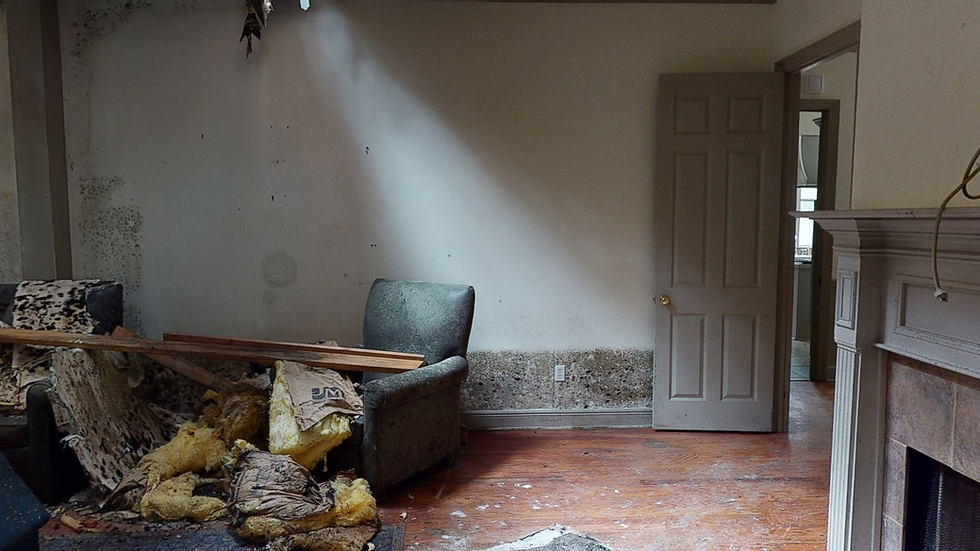
The Bottom Line
Mold testing is not a scam, it's science. At Aeris Environmental Inspection, we use testing to protect homeowners, guide contractors, and ensure that remediation is targeted and effective. Ignoring the type of mold and the source of moisture leaves you with half the story.
If someone tells you mold testing is worthless, ask yourself: would you want a doctor to prescribe medicine without first running tests? The same logic applies to your home’s health.

Servicing Southeast Louisiana
(985) 466-7959


Comments